Genealogy "home sources" and the treasure they contain
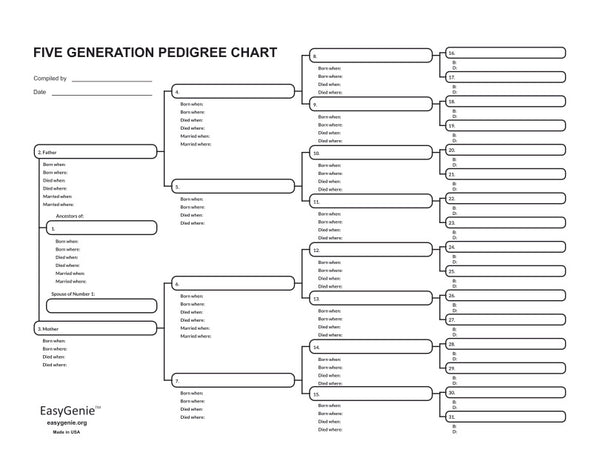
Ian LamontLast fall, American Ancestors magazine published an article that’s right up our alley: “Hunting for genealogical treasure at home” (subscription required). The author, Ann G. Lawthers, ScD, puts a name to the various letters, official documents, genealogy charts, newspaper clippings, and other heirlooms that family historians typically deal with. The catchall term is home sources.
Many readers are intimately familiar with home sources. Indeed, they may feel a little overwhelmed managing them. Raise your hand if this sentence from the article describes you:
“Frequently, one member of a family has become the unofficial record keeper and has cheerfully accepted boxes or envelopes of documents and ‘stuff’ over the years.”
As this newsletter has discussed many times over the years, the designated family historian must contend with various challenges associated with maintaining such collections:
- How can the documents and other items be organized and preserved?
- Which items might be displayed in the home?
- How can boxes of genealogy records be shared with family members, and passed down to the generations that follow?
Lawthers doesn’t get into these issues. Rather, she stresses the importance of using home sources for genealogy, especially for those who are just getting started. Wonderful information can be extracted or deduced from home sources, from basic information to important family stories.
Certain home sources will be easy to use. Great Aunt Emmaline’s family bible may have names, dates, and other details that may be missing from the family tree, such as in-laws' state or country of origin.

Old family portraits can be home sources
Other items may not seem like important home sources, until you examine them in context. For example, you may know the year of birth of your great-great-grandmother Sophronia, but not when she died. However, you discover a family portrait of that branch in your collection that includes her:

You’re not sure of the date, but judging by the clothing worn by the younger women, it’s likely from the early 1900s. Moreover, your father is able to identify the toddler sitting on someone’s lap. It’s his grandfather, and you know his year of birth, 1907. You may not have a death date for Sophronia, but you now know that it was after 1907, thanks to the evidence in the photo.
Lawthers describes a taxonomy for home sources. It’s useful for thinking about the types of information that can be obtained from documents, photos, and physical items.

There is overlap, but the three categories serve different purposes:
- Genealogical papers help build out family trees.
- Family papers are preserved for sentimental reasons, but may also build stories and a picture of your ancestors’ day-to-day lives.
- Family objects are also preserved for sentimental reasons, but are more durable and can give special insights. For instance, recipes may reveal a family’s cultural practices or origins.
Lawthers acknowledges that not all home sources will be found in the home, or even in the homes of relatives. Historical societies, libraries, and even regional museums may have relevant documents or items.